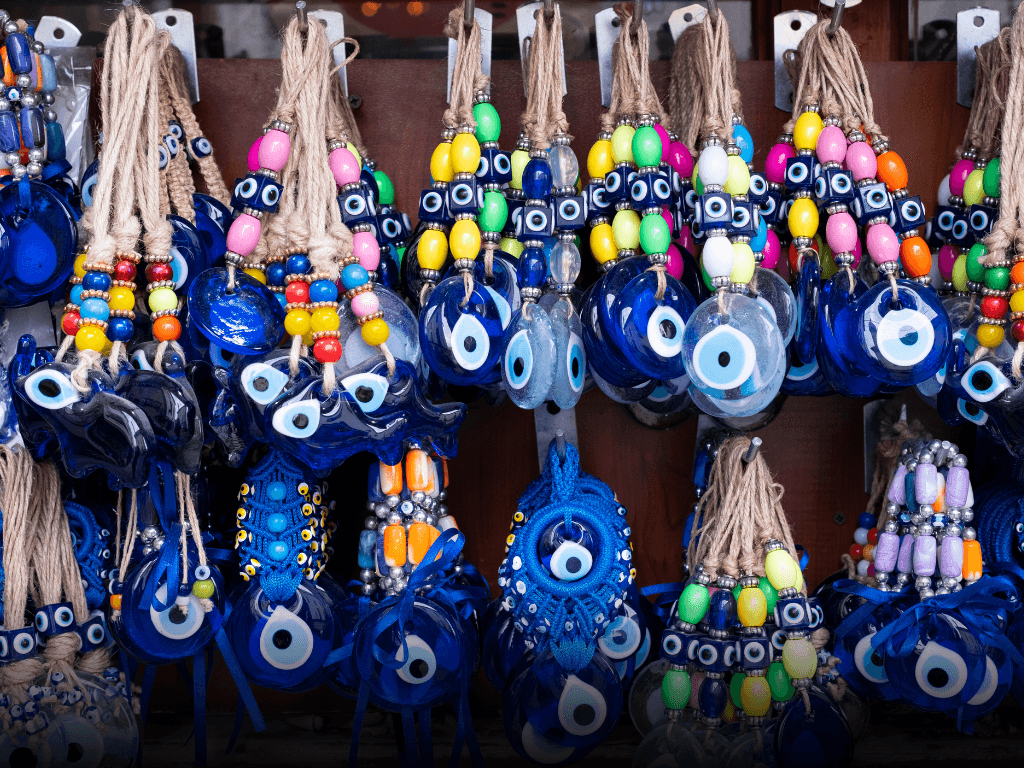
The “evil eye” is one of the world’s oldest protective symbols, rooted in the belief that a hostile or envious gaze can bring misfortune, illness, or spiritual harm. The familiar blue-and-white eye charm, often worn as jewelry or hung in homes, is thought to deflect this negative energy and keep its wearer safe. But the evil eye is just one chapter in a much larger story: across history and cultures, people have turned to amulets, charms, and magical jewelry not only as decoration, but as spiritual tools.
In Asia, protective ornaments like red threads in India or jade pendants in China have symbolized health, luck, and warding off spirits for millennia. In the Middle East, the nazar and the hamsa hand remain powerful emblems of protection against envy and misfortune, adorning everything from necklaces to household entrances. In the Western world, charms such as four-leaf clovers, St. Christopher medals, or engraved lockets carry personal and cultural stories, often blending faith with fashion.
Together, these traditions reveal a universal truth: jewelry has always been more than adornment. It has served as a way for people to carry their beliefs, hopes, and defenses against unseen forces close to their bodies a practice that connects us to ancient eras and continues to shape how we wear meaning today.
Amulets for Protection and Luck
Amulets, often made from precious metals, gemstones, or carved ivory, were believed to hold protective powers. In ancient Egypt, scarab amulets symbolized rebirth and protection in the afterlife, while in medieval Europe, small charms were worn to ward off evil spirits or illness. These adornments were both symbolic and functional, offering a tangible sense of security to their wearers.
Charms as Personal Symbols

Charms have long served as personal talismans, reflecting individual identity, milestones, or aspirations. In Victorian England, charm bracelets were popular, with each charm telling a story from family events and travel memories to symbolic motifs representing love or courage. Such jewelry allowed individuals to carry personal narratives on their wrists, making adornment deeply intimate and expressive.
Magical and Mystical Significance

Many cultures incorporated mystical elements into jewelry, believing in the ability of gemstones or specific symbols to influence health, fortune, or fate. For example, sapphire was believed to protect against envy, while turquoise wards off negative energy. Symbols like the Eye of Horus or pentagrams were etched into pendants, combining artistic craftsmanship with spiritual function.
Jewelry often acted as a medium for cultural storytelling. Tribal and indigenous societies embedded myths, legends, and ancestral symbols into necklaces, earrings, and rings. These adornments communicated social status, clan identity, and spiritual beliefs, transforming jewelry into a visual language that transcended generations.
Integration in Modern Luxury Jewelry
Today, the concept of storytelling in jewelry continues to influence luxury design. Brands integrate symbolic motifs, personalized charms, and gemstone meanings into modern collections, appealing to consumers seeking both beauty and narrative depth. Amulets, charms, and magical-inspired pieces resonate with buyers who value personal connection, history, and cultural heritage.
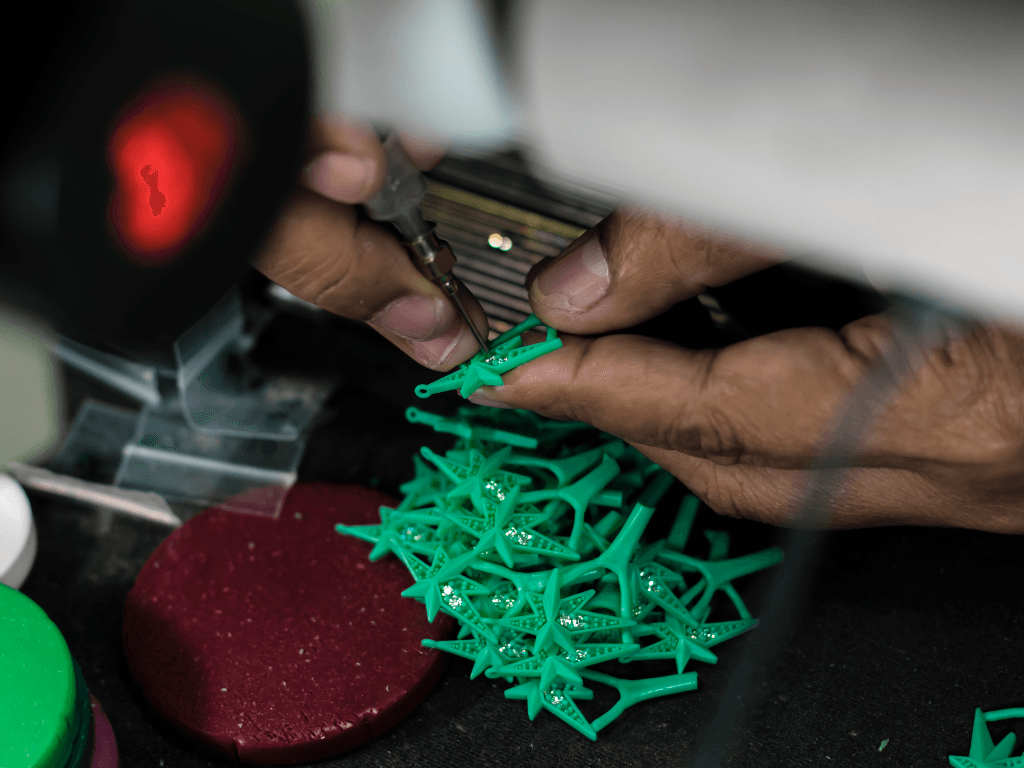
Many historical adornments were made with naturally sourced materials, a principle mirrored in contemporary ethical luxury jewelry. Modern artisans are reviving ancient practices while ensuring responsible sourcing of metals and gemstones, aligning storytelling with sustainability and conscious consumerism.
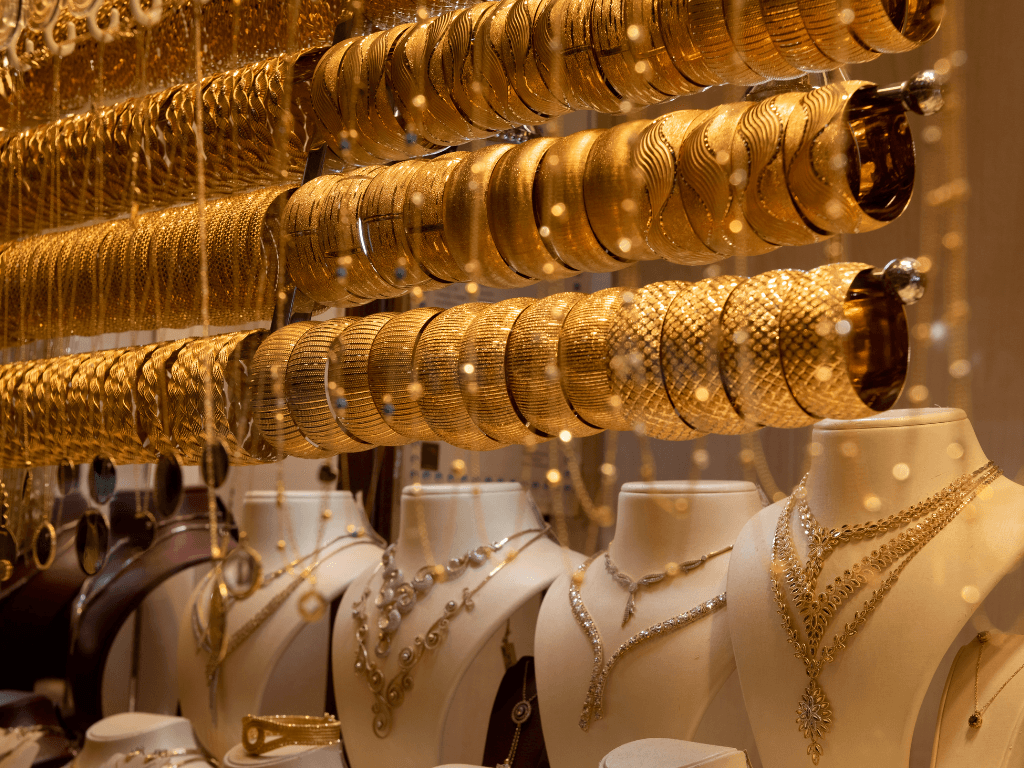
Jewelry with a story from protective amulets to meaningful charms offers a window into the beliefs, traditions, and creativity of past civilizations. These pieces exemplify how adornment has always been more than decoration, serving as a symbol of protection, identity, and narrative. By drawing inspiration from these historical practices, modern luxury jewelry continues to combine artistry, symbolism, and personal connection, creating pieces that captivate both the eye and the imagination.